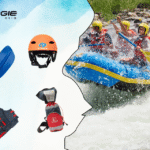
Must-Have Rafting Gear: Essential Equipment for Every Whitewater Adventure

Rafting is one of the most thrilling outdoor activities that lets you experience the power of nature while bonding with friends or teammates. Whether you’re tackling calm rivers or rushing whitewater rapids, the right equipment makes all the difference between an unforgettable adventure and a risky outing. If you are planning your next rafting trip, you need to know what to bring and why each item is important.
In this guide, we’ll break down the essential rafting gear that every rafter—beginner or pro—should have before jumping into the wild currents.

1. Life Jacket (Personal Flotation Device)
A life jacket (PFD) is the most important piece of rafting equipment. Even strong swimmers can be swept away by the current in seconds, so a life jacket is not optional—it’s mandatory.
- Fit matters: Choose a PFD that fits snugly but still allows movement.
- Safety standard: Make sure it’s approved by international water safety organizations.
- Features: Look for adjustable straps and padding for comfort during long rides.
Remember, your life jacket should always stay buckled while on the water.
2. Helmet
Whitewater rafting often means bouncing off rocks and unexpected flips. A rafting helmet protects your head from injuries caused by collisions or sudden falls.
- Durable material: Choose ABS plastic or carbon fiber for maximum impact resistance.
- Proper ventilation: Keeps you cool under the sun.
- Adjustable fit: Comfort is key, especially for multi-hour rafting trips.
3. Paddle
Without a paddle, you can’t control your raft. A good rafting paddle is lightweight, durable, and easy to grip even when wet.
- Material: Aluminum shafts with plastic blades are common for beginners, while advanced rafters may prefer fiberglass or carbon fiber.
- Length: Should match your height and rafting style.
- Grip: T-grip handles help maintain control even in turbulent waters.
4. Wetsuit or Drysuit
Water temperatures in rivers can vary greatly. To avoid hypothermia and keep your body comfortable:
- Wetsuit: Made of neoprene, ideal for moderate to cold waters.
- Drysuit: Provides full waterproof protection, suitable for very cold conditions.
- Layering: Combine with thermal clothing for maximum warmth.
5. Footwear
Ordinary sneakers are not suitable for rafting. Instead, wear rafting shoes or water sandals that stay secure and protect your feet.
- Closed-toe shoes: Protect against rocks and debris.
- Quick-dry material: Prevents blisters and discomfort.
- Non-slip sole: Ensures traction on wet surfaces.
6. Throw Bag (Rescue Rope)
In case a teammate falls overboard, a throw bag is crucial. It’s a rope packed into a bag that can be tossed to someone in the water.
- Length: Usually 15–25 meters.
- Visibility: Bright colors help rescuers see it in rough waters.
- Ease of use: Practice using it before your trip.
7. First Aid Kit
Accidents can happen anytime, so a compact waterproof first aid kit should always be on board. Essentials include:
- Bandages and antiseptic wipes.
- Pain relief medication.
- Emergency blanket.
- Waterproof tape.
8. Dry Bag
You’ll likely bring items like snacks, phones, cameras, or extra clothing. A dry bag keeps everything safe and dry during your rafting adventure.
- Roll-top closure: Prevents water leakage.
- Variety of sizes: From small pouches to large storage bags.
- Straps: Easy to carry and secure to the raft.
9. Proper Clothing
What you wear under your wetsuit or life jacket matters. Choose clothes that are:
- Quick-drying: Avoid cotton—it stays wet and makes you cold.
- UV protective: Long-sleeve rash guards protect against sunburn.
- Comfortable fit: Nothing too tight or too loose.
10. Sunglasses and Sunscreen
The sun reflects strongly off the water, increasing the risk of sunburn and eye damage.
- Polarized sunglasses: Reduce glare and protect your eyes.
- Retainer strap: Keeps sunglasses from falling into the river.
- Waterproof sunscreen: SPF 50+ recommended for long days outdoors.
11. Whistle
A whistle is a small but powerful safety tool. In noisy rivers, shouting is useless, but a whistle can quickly grab attention. Attach it to your life jacket for easy access.
12. Waterproof Action Camera (Optional)
Want to relive your rafting adventure? A GoPro or similar waterproof camera is perfect for capturing the thrills. Mount it on your helmet or chest strap for the best angles.
Safety Tips for Rafting Enthusiasts
- Always listen to your rafting guide.
- Never remove your life jacket or helmet on the river.
- Learn basic paddling commands before the trip.
- Stay calm if you fall into the water—float on your back with your feet pointing downstream.
Conclusion
Rafting is an adrenaline-filled adventure that brings you closer to nature while testing your teamwork and endurance. However, the river is unpredictable, and preparation is key. With the right rafting gear—from life jackets and helmets to dry bags and rescue ropes—you can focus on the excitement while staying safe.
So before you hit the rapids, check your equipment, gear up properly, and get ready for an unforgettable ride. Adventure awaits in every wave and current!